(435) 610-2474
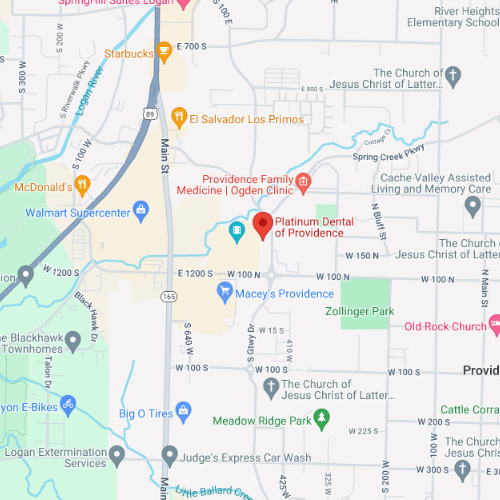
169 N Gateway Dr # 105 Providence, UT 84332

Dental Implants in Providence
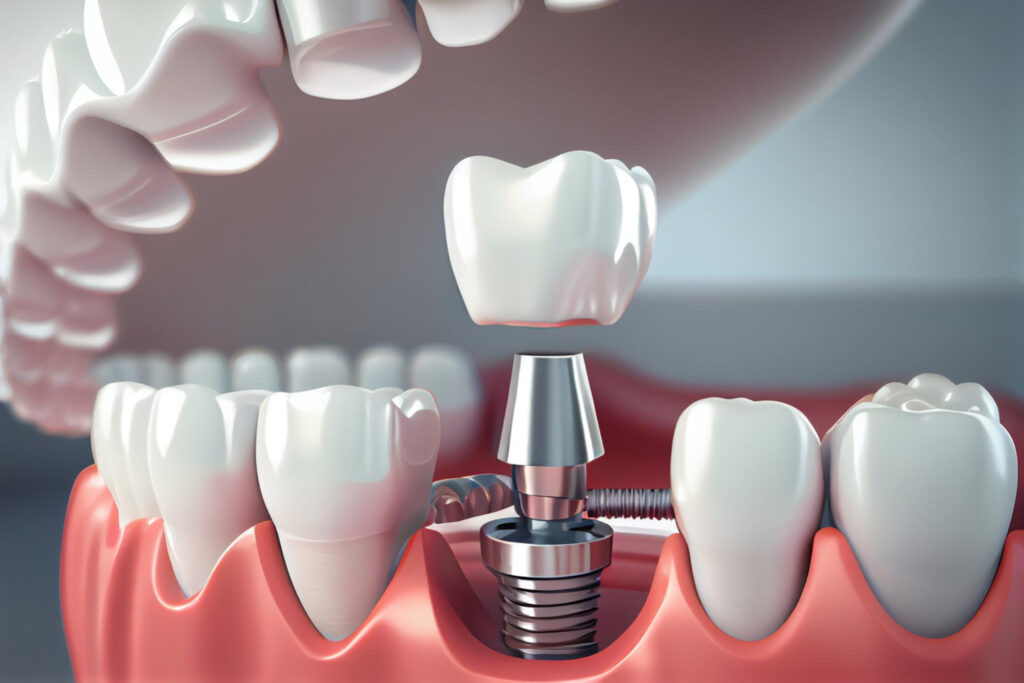
Dental implants are a great way to enhance your smile and improve your confidence. If you’re considering this type of treatment to replace missing teeth, please don’t hesitate to contact us. Call (435) 610-2474 today to schedule your free consultation. We would happily assist you with your dental needs and help you achieve a healthier smile!
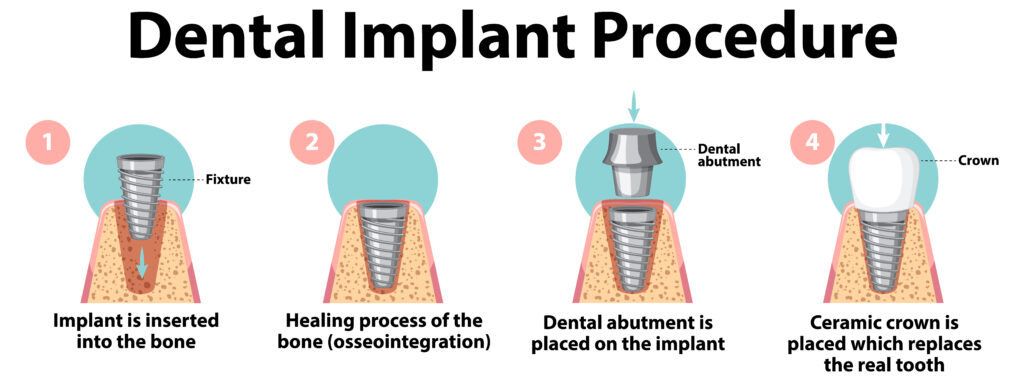
What to Expect in an Implant Procedure
- The implant treatment process involves multiple visits to ensure the new tooth is perfectly fitted and functions smoothly with your natural teeth.
- During your first visit, the dentist will take x-rays of your teeth.
- After reviewing these images, you and the dentist will discuss the different options available.
- For the best experience, you will be sedated before the procedure to ensure you are pain-free.
- The dentist will then make a small incision in your gums to place the implant in the gap left by the missing tooth.
- The gums are then stitched up to allow the area to heal.
- Over a period of time, the implant will integrate with the bone, securely attaching as a permanent part of your mouth.
- Once the implant has fully healed, you will return for another appointment to have the abutment and crown placed to complete your treatment.
Common Concerns
How Long does the Implant Process Take?
Depending on the customized treatment plan, the time it takes to get implants can vary from person to person. This also takes into account the healing time after the implant is placed. This period could take a few months but is crucial to ensure that the implant securely attaches to the jawbone.
Is getting implants a painful process?
If you’re considering getting dental implants, give our office a call to schedule an appointment with our oral surgeon to discuss the best options for you. You can call our office in Providence at (435) 610-2474 to set up your appointment. We are excited to help you achieve a beautiful and complete smile.
Our Services:
Frequently Asked Questions
It is important to treat any gum disease before getting dental implants. Having healthy gums helps ensure the implants are successful for long-term solutions and a positive experience.
Implants can be a good option for many people who have missing teeth. During an appointment, the dentist will check for the health of your bones and gums to ensure that the treatment will be an effective option for you.
Caring for implants is like caring for natural teeth. It is important to brush and floss them regularly and have dental check-ups to keep them in good health.
Yes, depending on your treatment plan, implants can be used to support crowns, bridges, and dentures. This makes them a flexible option for replacing several missing teeth and elevating your smile.
Yes, dental implants are custom-made to look and feel like your natural teeth. They are designed to blend with your natural smile to enhance your confidence.
Insurance coverage depends on the type of insurance provider and the specific plan you have. It is best to call your insurance provider to discuss what coverage you may have with your plan. Our insurance team will assist you with any questions you may have about your insurance benefits.
You should avoid smoking and limit your alcohol use after obtaining dental implants. This will help with the healing process and allow the implants to bond better with your bone.
Yes, many people with specific health conditions can still be candidates for dental implants. During the consultation, the dentist will assess your case. Our dental team will carefully evaluate your health and discuss any possible risks or special considerations.
No, the only requirement for getting an implant is that your jawbone be fully developed. This treatment can be a great choice to replace missing teeth regardless of age.
The biggest factor affecting the implants’ longevity is oral health. Depending on this, the implants can last for many years and even a lifetime. Regular check-ups and cleanings play a crucial role in maintaining good oral health.
BOOKING HOURS
M 8-5 | Tu 8-5 | Wed 8-5 | Th 8-5 | Fr 7-3
We are OPEN for ALL dental care procedures and emergency needs. Protecting the health and safety of our patients, families, and team members remains our number one priority.

Free $50 Gift Card*
$50 Gift Card when you complete an appointment with us!
*Redeemable after completed paid treatment. Must be a new patient our organization (all locations). The patient will receive a gift card via email or SMS after completion of their appointment. Cannot be combined with other offers or dental discount plans.
Free Exam & X-rays^
For New Patients without insurance we offer Free Exam and X-rays!
^For New Patients that do not have dental insurance. New patients must be 18 or older to receive free exam and x-rays. Discounts cannot be combined with other offers or dental discount plans. Additional fees may be included in individual cases.
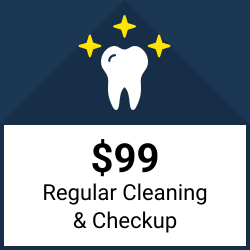
$99 Hygiene Visit^^
For New Patients without insurance we offer Free Exam and X-rays!
^^For new patients without dental insurance. Includes Exam, X-Ray and Routine Cleaning. A Periodontal Cleaning requires additional fees, and rescheduled for further treatment. Cannot be combined with other offers or dental discount plans.
Platinum Dental of Providence