(435) 610-2474
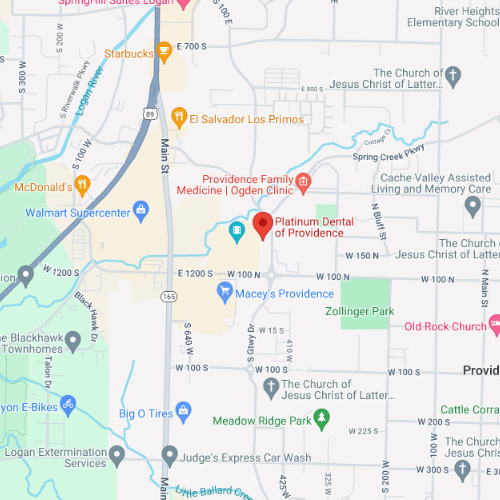
169 N Gateway Dr # 105 Providence, UT 84332

Dental Crowns in Providence
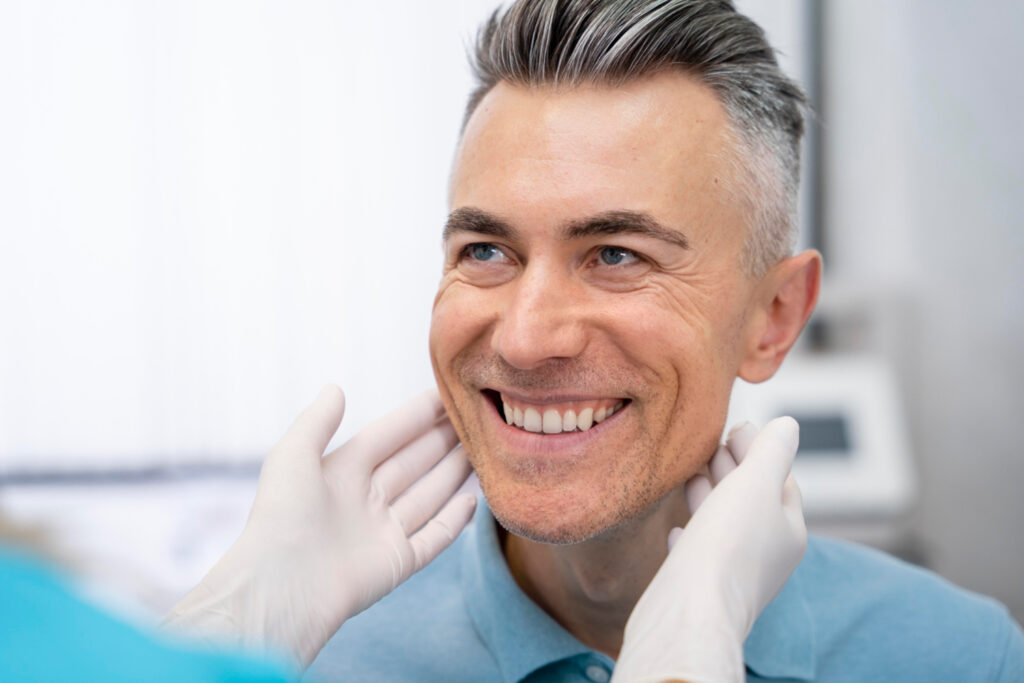
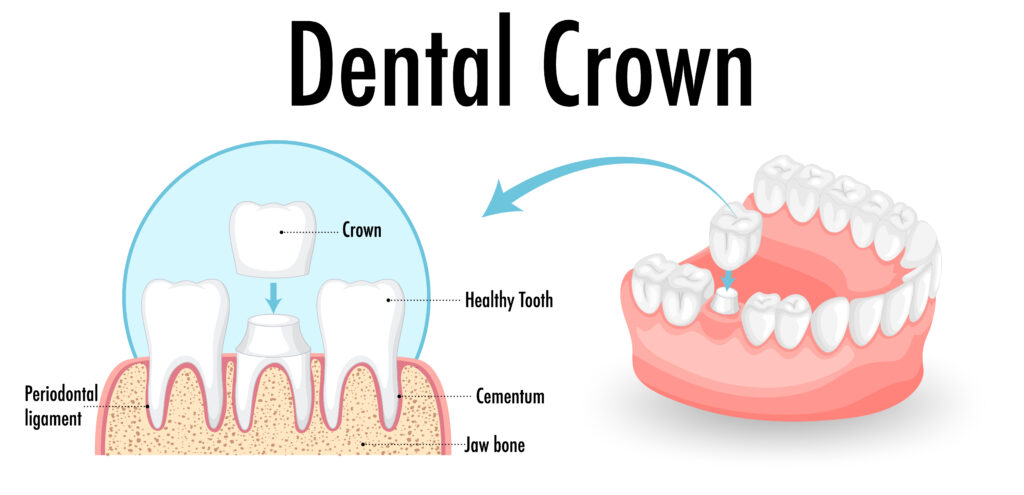
Dental crowns are used for many reasons and can be a great way to improve decayed or broken teeth. Crowns can be made from porcelain, zirconia, gold, or a combination of porcelain and metal. Dental crowns are a great option to elevate the quality of your teeth and confidence.
Call us today to schedule an appointment for a free consultation at (435) 610-2474.
What to Expect when Getting a Dental Crown
At your appointment, the dentist will start with an exam to look at images and examine the tooth. This is to check parameters and the level of damage the tooth has. The doctor will start by numbing the area and removing the decayed part of the tooth while also getting it ready for the correct shape for the crown.
Next, the doctor will take an impression of the tooth which will help in creating the perfect fit. In the meantime, the doctor will fit you for a temporary crown while the permanent one is being made in the lab.
When the permanent crown is ready, we will have you come back for another appointment to make sure the permanent crown fits perfectly in its place and matches your natural teeth. After the permanent crown is cemented in place, you’ll be ready to go with a stronger smile.
Common Myths about Crowns
Myth: Dental Crowns are only for cosmetic purposes.
Fact: You can get dental crowns for aesthetic reasons, but they do hold a more functional purpose which is to restore decayed or broken teeth.
Myth: Getting a crown is a painful process.
Fact: Because of medical advancements, the process of getting a dental crown is typically painless. There may be some discomfort after the procedure, but it should be managed through over-the-counter medications.

Dental crowns provide many benefits, whether you want to get crowns for aesthetic reasons, or you need to get a healthier smile. Call our office to get an appointment and talk with the dentist about getting a crown. (435) 610-2474
Our Services:
Frequently Asked Questions
A dental crown is a tooth-shaped cap that restores and protects decayed, broken, or weak teeth. A crown is recommended when the tooth cannot be fixed by a simple filling. Crowns can improve the aesthetic look of the tooth, restore strength, and create a more functional tooth. Crowns are also used to protect the tooth after a root canal, fortify bridges and implants.
Crowns can be made of different types of material. The most common would be porcelain, ceramic, gold, and porcelain fused to metal. Porcelain and ceramic are the most common to get the crown closest to the tooth’s natural color. Most patients use these materials for front teeth.
How long a dental crown lasts, depends on many things. This would include the type of material used, where the crown is located, and the overall oral health of the patient. Usually, we expect a crown to last anywhere from 5 to 15 years, but with good oral health, it can last even longer.
Because of medical advancements, the process of getting a dental crown is typically painless as we use a local anesthetic to numb the area of the mouth. There may be some discomfort after the procedure, but it should be managed through over-the-counter medications.
Usually, two appointments are needed for a crown. The first appointment is when the dentist looks at the tooth parameters, takes impressions, prepares the tooth by removing any tooth decay from the affected area, and places a temporary crown. The second appointment is usually about two weeks later. At this appointment, the doctor will make sure that the permanent crown fits correctly and is cemented into place.
Yes, it is possible for a crowned tooth to get a cavity. Usually, this happens at the gumline or in the structure of the tooth. This is why it is important to practice good oral health to prevent further cavities from occurring.
Keeping good oral health is the key to caring for your crown. Practicing good oral health entails brushing your teeth twice and flossing twice a day or more if possible. Also, try to avoid chewing on hard or chewy foods that can damage the crown.
Yes, because of medical advances, we are able to match the color of the crown perfectly to the rest of your teeth. Porcelain or ceramic crowns would be the best options to get the most natural look.
Both crowns and veneers are very similar, but they have different purposes. A crown covers the entire tooth and is usually used when the tooth needs more support from decay. A veneer is a cover that goes over the front of the tooth and is usually only used for cosmetic purposes.
If your crown falls off or is damaged, give our office a call to schedule an appointment to get the crown placed back on. Try not to attach or glue the crown yourself as this could cause more damage to the crown. Our skilled dentist will be able to assess whether the crown just needs to be re-cemented or if a new crown is needed.
BOOKING HOURS
M 8-5 | Tu 8-5 | Wed 8-5 | Th 8-5 | Fr 7-3
We are OPEN for ALL dental care procedures and emergency needs. Protecting the health and safety of our patients, families, and team members remains our number one priority.

Free $50 Gift Card*
$50 Gift Card when you complete an appointment with us!
*Redeemable after completed paid treatment. Must be a new patient our organization (all locations). The patient will receive a gift card via email or SMS after completion of their appointment. Cannot be combined with other offers or dental discount plans.
Free Exam & X-rays^
For New Patients without insurance we offer Free Exam and X-rays!
^For New Patients that do not have dental insurance. New patients must be 18 or older to receive free exam and x-rays. Discounts cannot be combined with other offers or dental discount plans. Additional fees may be included in individual cases.
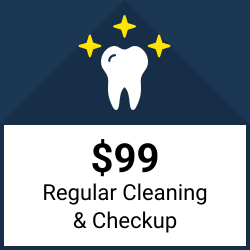
$99 Hygiene Visit^^
For New Patients without insurance we offer Free Exam and X-rays!
^^For new patients without dental insurance. Includes Exam, X-Ray and Routine Cleaning. A Periodontal Cleaning requires additional fees, and rescheduled for further treatment. Cannot be combined with other offers or dental discount plans.
Platinum Dental of Providence